Spring is in the air and that means the dreary sight of winter is fading and giving way to vibrant colors. That makes us think about the colors on flags. Flags are powerful symbols that convey identity, values, and history. From national pride to cultural representation, we understand that the colors on a flag play a significant role in evoking emotions and making lasting impressions. But have you ever wondered why certain colors are more commonly used on flags than others? Let’s explore what colors appear most on flags.
Red – Power and Courage
Red is one of the most popular flag colors worldwide, symbolizing strength, bravery, and sacrifice. Its bold appearance draws attention and evokes a sense of urgency and passion. Countries like the United States and Canada prominently feature red in their flags, often representing valor and resilience.

Blue – Trust and Freedom
Blue conveys calmness, loyalty, and stability. It is frequently associated with freedom, justice, and peace, making it a go-to choice for many flags, including those of the European Union, Australia, and the United Nations. Its versatility allows it to balance the intensity of warmer colors like red and yellow.

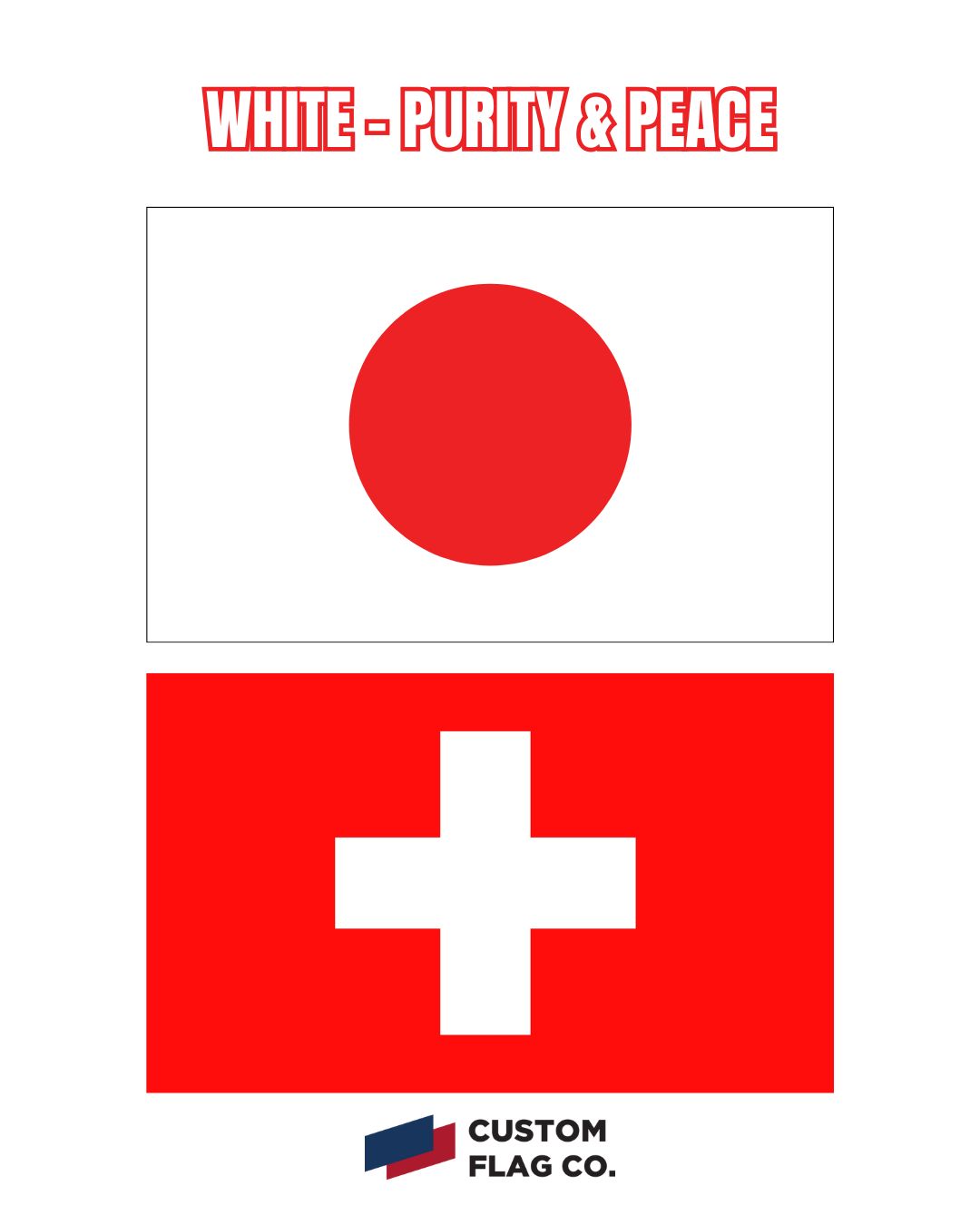
White – Purity and Peace
White represents purity, innocence, and unity. Often used as a background or accent color, it provides contrast and clarity, enhancing the visibility of other colors. Flags like Japan and Switzerland use white to symbolize simplicity and neutrality, while others incorporate it to reflect peace and hope.
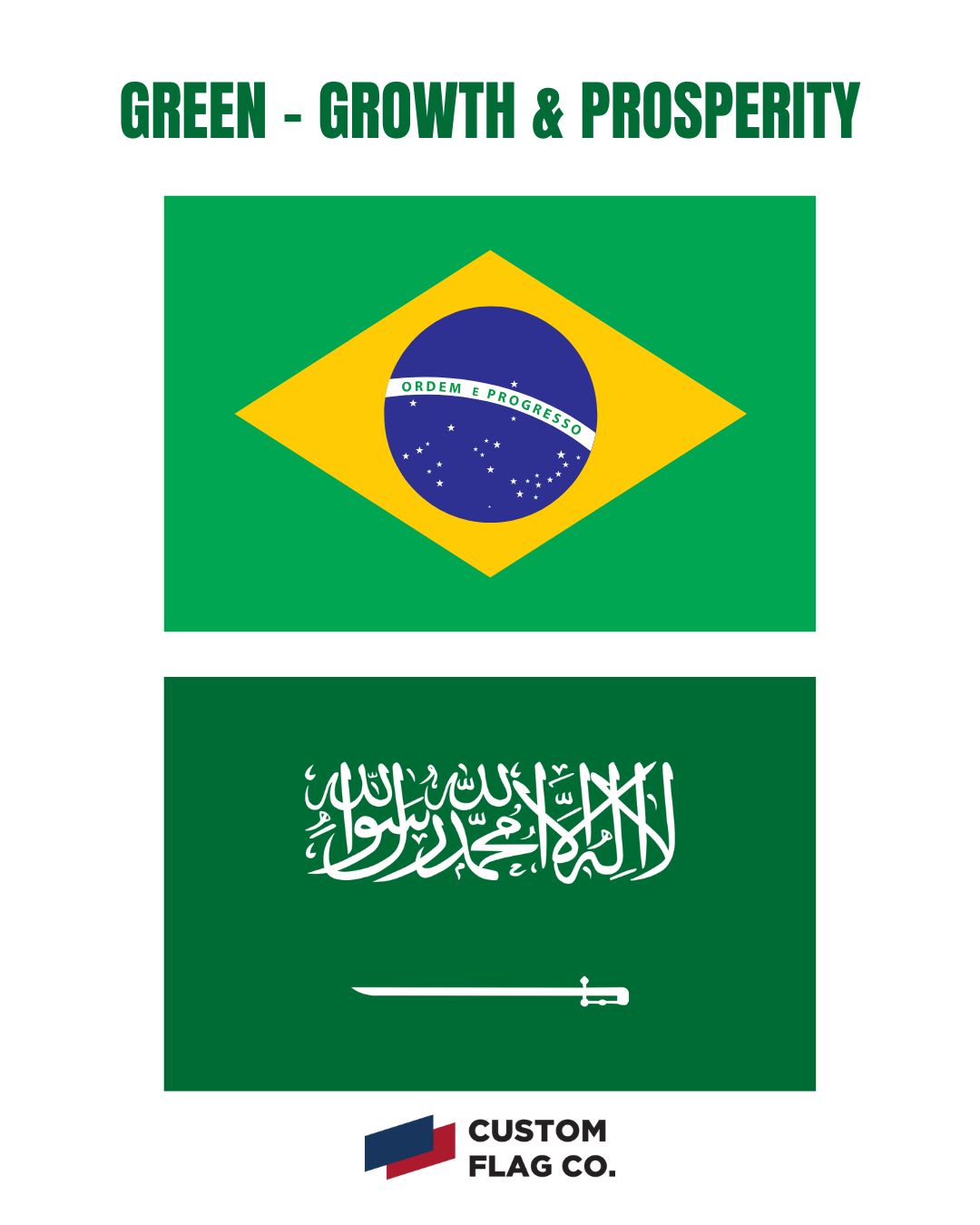
Green – Growth and Prosperity
Green is commonly associated with nature, fertility, and renewal. Many flags, such as those of Brazil and Saudi Arabia, use green to symbolize prosperity, harmony, and Islamic traditions. It’s a color that resonates with growth and balance, making it a calming and hopeful choice.
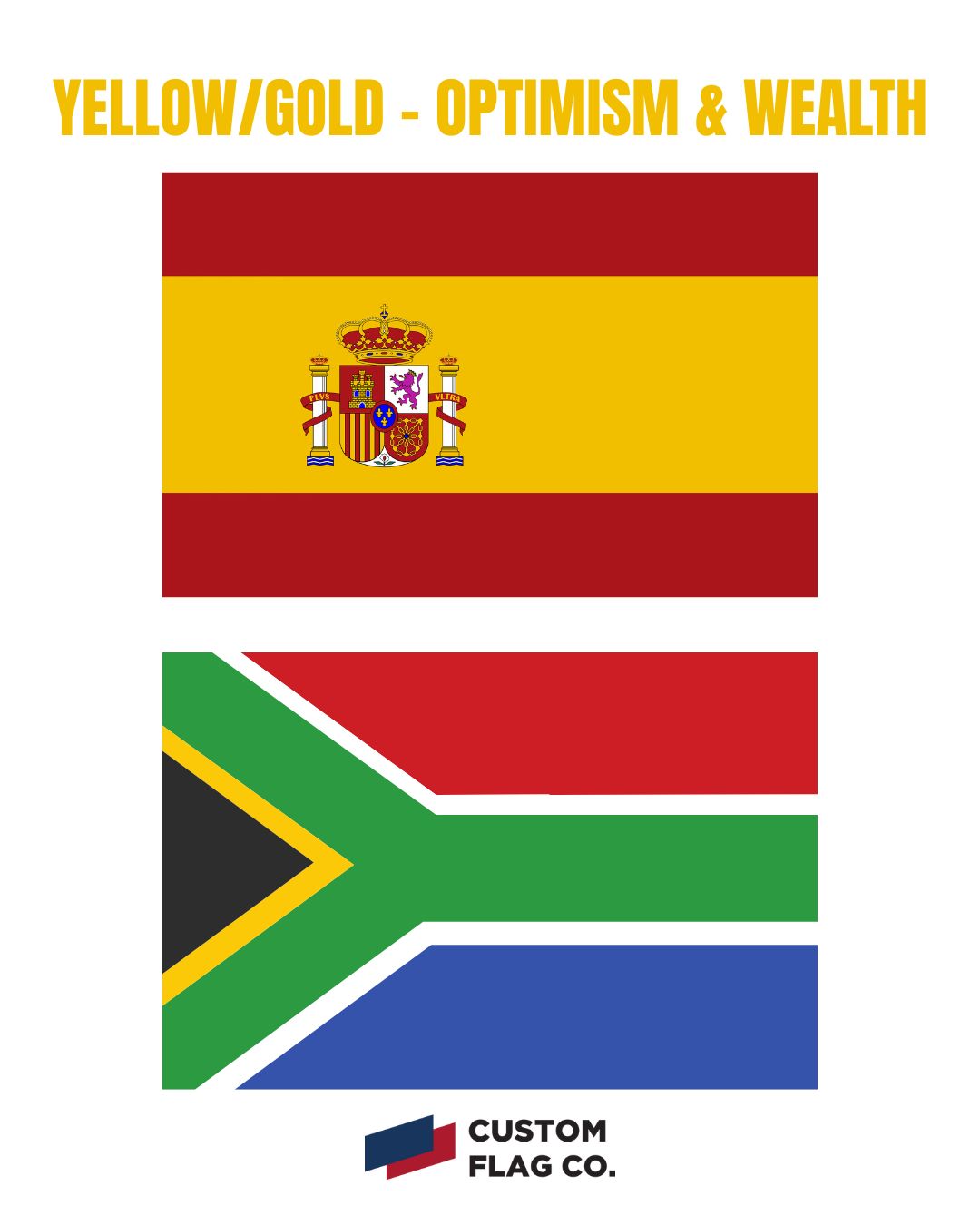
Yellow/Gold – Optimism and Wealth
Yellow or gold represents wealth, optimism, and energy. Flags like those of Spain and South Africa use yellow to add warmth and vibrancy. It is often paired with darker shades to create contrast and highlight prosperity or cultural richness.
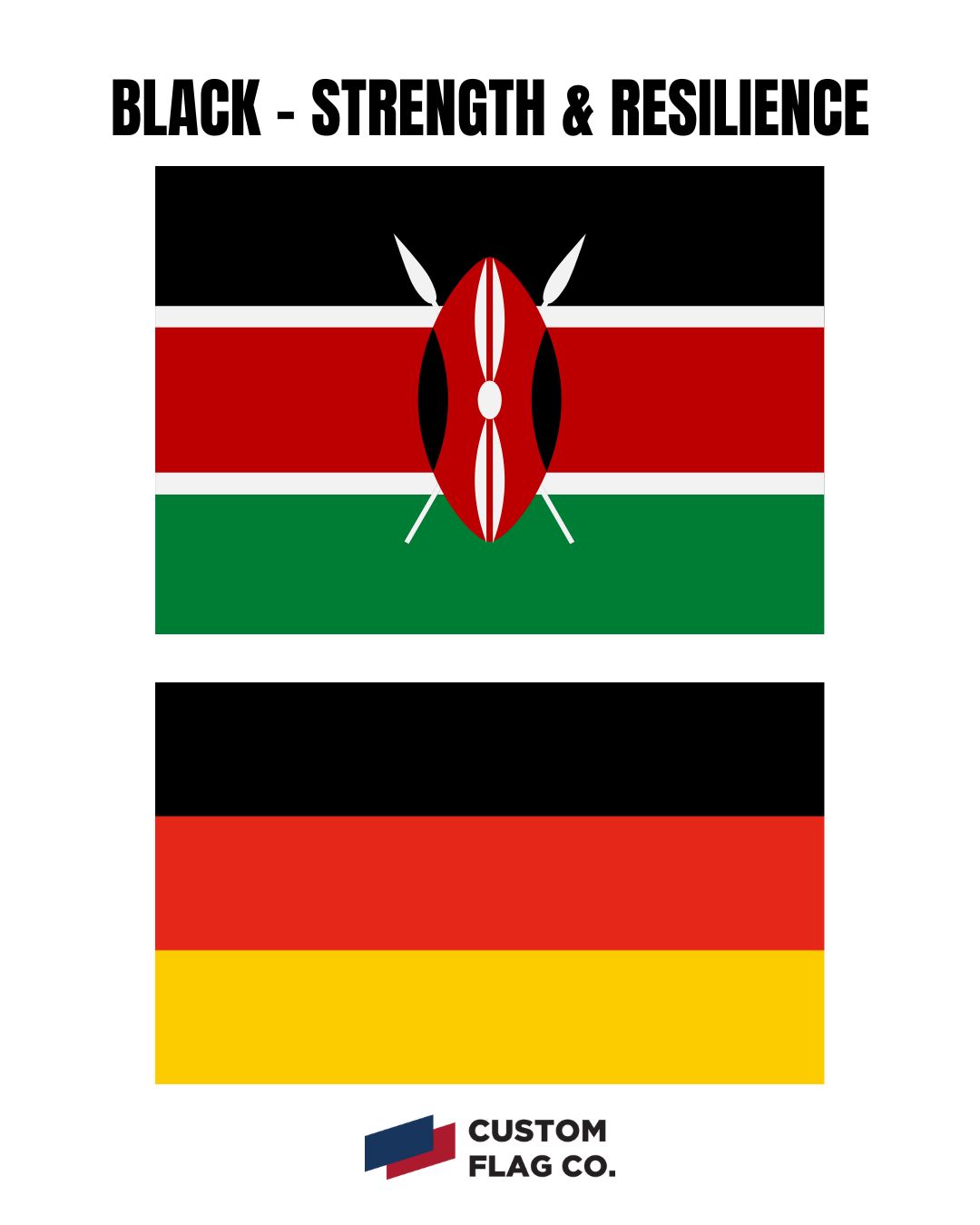
Black – Strength and Resilience
Black may not be as common as other colors, but it carries strong symbolism. Often associated with determination, mourning, or strength, black adds depth and seriousness to a flag’s design. Countries like Kenya and Germany incorporate black to signify resilience and unity.
Color Combinations That Work
While individual colors have specific meanings, combinations of colors often create unique narratives. For instance:
- Red, White, and Blue signify freedom and patriotism, as seen in the U.S. and U.K. flags.
- Green, Red, and Yellow reflect cultural heritage and unity, common in African nations.
- Black, Red, and White often symbolize power and historical significance, used in flags like Germany and Yemen.
Why Color Matters in Flags
Colors are more than just visual elements. They tell stories, inspire emotions, and unite people. Whether representing independence, peace, or strength, the colors on a flag play a pivotal role in how it is perceived and remembered. The next time you see a flag, take a closer look at its colors, and you might discover the deeper meanings they convey. But no matter what color you fancy and why, contact Custom Flag Co, so we can bring it to life.



Leave a Reply
You must be logged in to post a comment.